Read
Watch
31 March, 2026
Double Take: The Wizard of Oz & Easter Parade
We’re not in Kansas anymore! See where Judy Garland went after The Wizard of Oz…
 If you love the magic behind The Wizard of Oz and want to extend your Judy Garland knowledge, then we recommend seeing the starlet as Hanna Brown in Easter Parade. Something about their classic Old Hollywood style makes for perfect spring viewing. Read on to discover what else these films have in common and what makes them a much-needed movie night experience…
The Wizard of Oz (1939)
What is the plot of The Wizard of Oz?
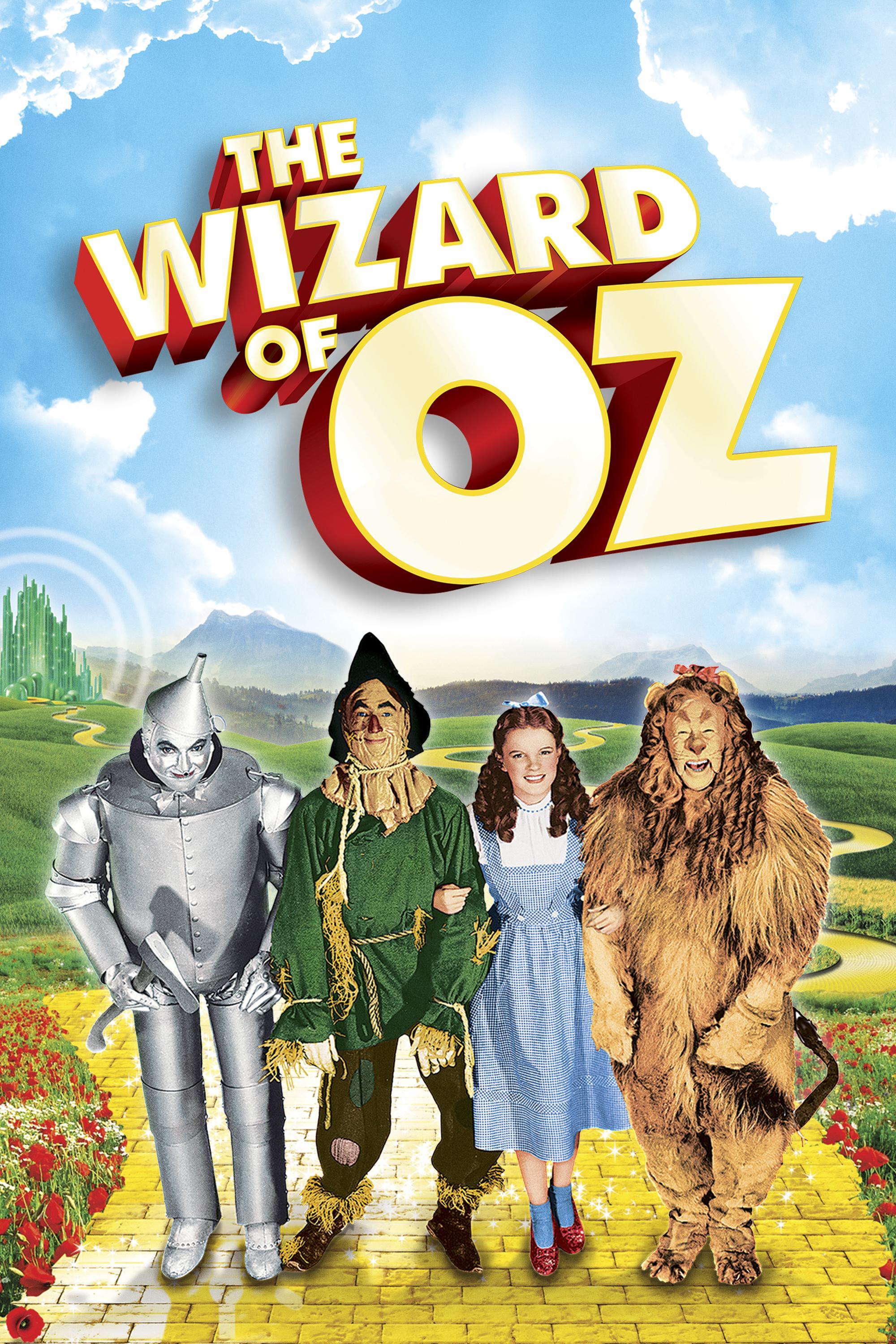
In this classic musical fantasy, Judy Garland stars as Dorothy Gale, a young Kansas farm girl who dreams of a land "somewhere over the rainbow." Dorothy's dream comes true when she, her dog, Toto, and her family's house are transported by a tornado to a bright and magical world unlike anything she has seen before. Unfortunately, she makes a mortal enemy of a wicked witch when the house falls on the hag's sister. Now, befriended by a scarecrow without a brain, a tin man with no heart and a cowardly lion--and protected by a pair of enchanted ruby slippers--Dorothy sets off along a yellow brick road for the Emerald City to beseech the all-powerful Wizard of Oz for his help to return home.Based on the novel by L. Frank Baum.
Watch the trailer here.
Why we love The Wizard of Oz
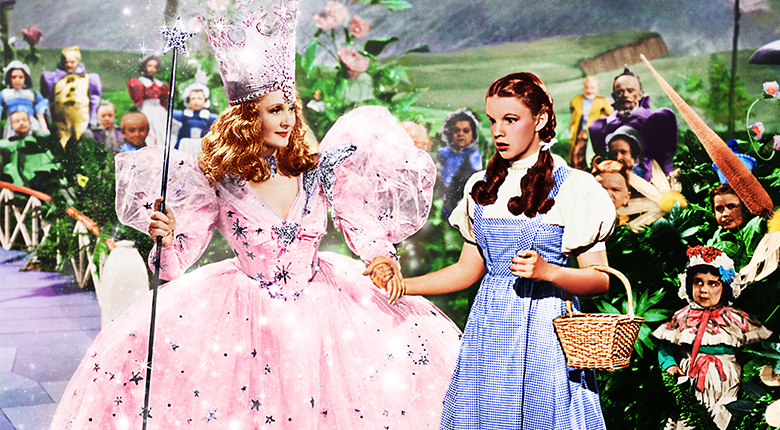
Judy Garland’s most recognisable role, accompanied by the iconic blue gingham pinafore and Toto the dog, is effortlessly charming. It’s truly stood the test of time, with every new generation being introduced to the character of Dorothy Gale – who they can’t help but fall in love with,as her optimistic determination drives her to find her way home after ending up in the magical land of Oz.
A timeless story of courage, friendship and belonging; it’s technically impressive too, famous for bringing endless colour to the big screen. As one of cinema’s first cultural moments, this infamous film continues to inspire numerous adaptations for decades after its release, cementing it as an immortal pillar of pop culture.
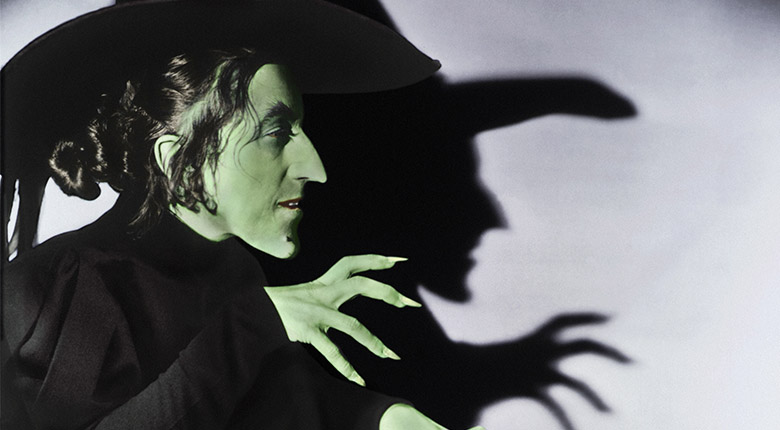
The incredible work that went into animating the world Baum originally envisioned in 1900 is no simple job. From the tornado effects to flying monkeys, this production pioneered the way clever practical effects are utilised within the movie industry. If you want to learn more about the making of Oz and the film’s cultural legacy that still resonates today, read more here.
Easter Parade (1948)
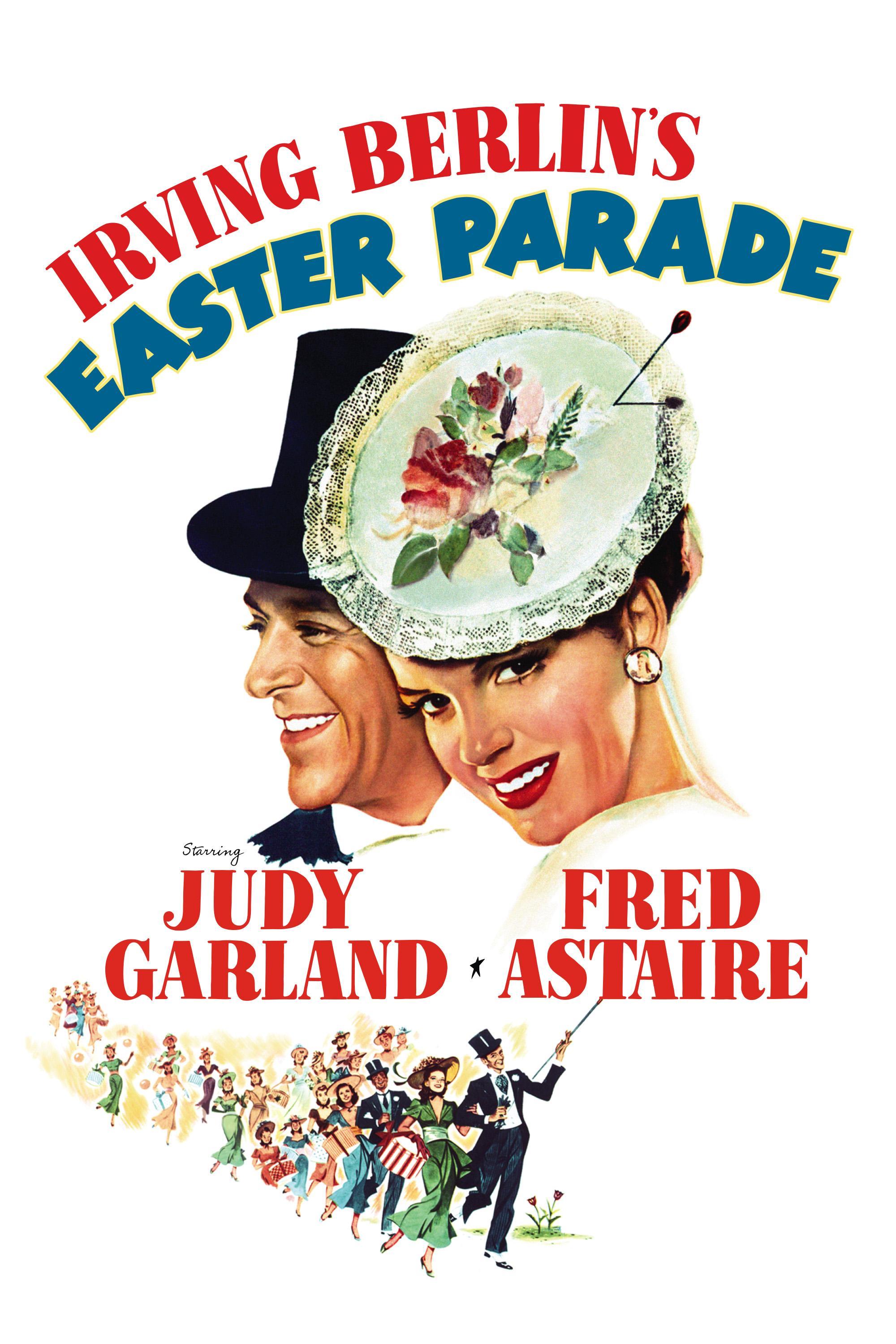
What is the plot of Easter Parade?
Fred Astaire and Judy Garland star in this classic movie musical featuring 17 songs by Irving Berlin. When a famous dancer Don Hewes' (Astaire) partner, Nadine Hale (Ann Miller) deserts him, he makes a bet that he can make any chorus girl into a star. The chorine he chooses--almost at random--is Hanna Brown (Garland). She starts out a talented nobody, but after singing and dancing her way with Hale through many of the best musical numbers ever filmed, she comes back the star of Easter Parade!Academy Award for Best Scoring of a Musical Picture.
Why we love Easter Parade
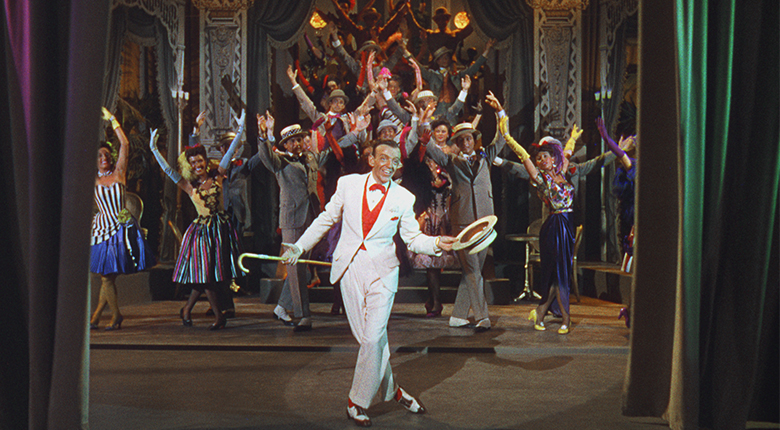
The film follows the familiar, feel-good trope of a chorus girl’s rise to success as the star in show business, similar to that of other classic musicals such as Funny Girl (1968), Singin in the Rain (1952), 42nd Street (1933) and A Chorus Line (1985). A funny coincidence, much like Funny Girl leading lady Barbara Streisand, Judy Garland has also featured in a rendition of A Star is Born following the similar rise to fame storyline that these stars are all too adept to.
Composer Irving Berlin, famous for other classic hits like ‘There’s No Business Like Showbusiness’ and ‘Blue Skies’, and musicals such as Annie Get Your Gun and White Christmas, has composed the music for Easter Parade too, creating such further hits including the title track ‘Easter Parade’ and ‘Steppin Out with My Baby’.
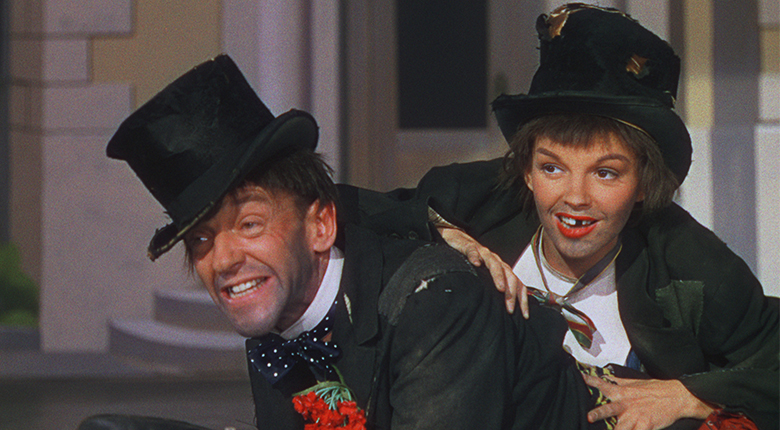
If Irving wasn’t enough, none other than musical legend Fred Astaire co-leads this production alongside Garland, after replacing Gene Kelly for the role, who was originally cast as the film’s Broadway star, Don Hewes. Astaire delights in his many famous musicals, his most well-known being 1935’s Top Hat. Another collaboration for Astaire and Berlin, the pair are harmoniously in their element again and effortlessly reward audiences with a taste of Astaire’s triple threat talents.
What is similar about The Wizard of Oz and Easter Parade?
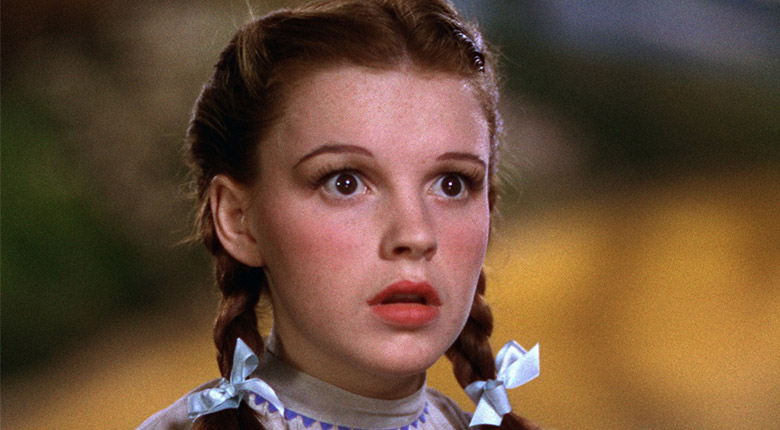
Both 20th Century films pack all the right feels of that Old Hollywood nostalgia, from the colourful dreamworlds of Oz to the vibrant showbiz settings in Easter Parade. Both productions used the unique Technicolor technique to create such dazzling, full-of-life visuals. The Golden Age of Cinema truly cannot exist without these fun musical masterpieces; and for fans of Judy Garland, there are no better watches than these.
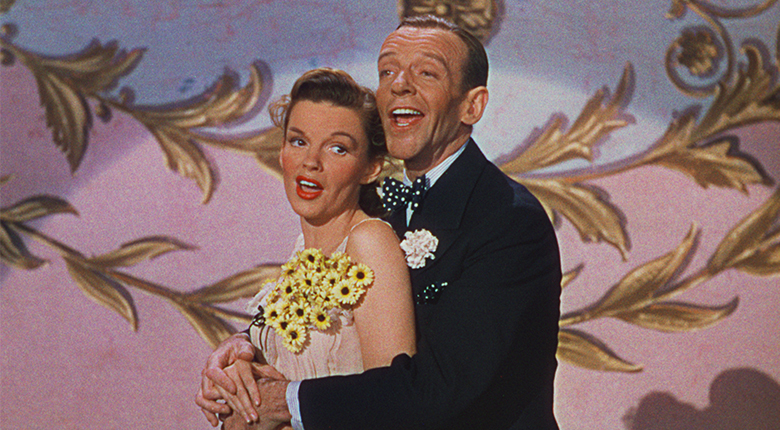
Released almost a decade after The Wizard of Oz, Garland shines as ever before with her musical charm and loveable wit in Easter Parade. It is true that both titles can be summarised in three words: Judy Garland excellence.
What is different about The Wizard of Oz and Easter Parade?
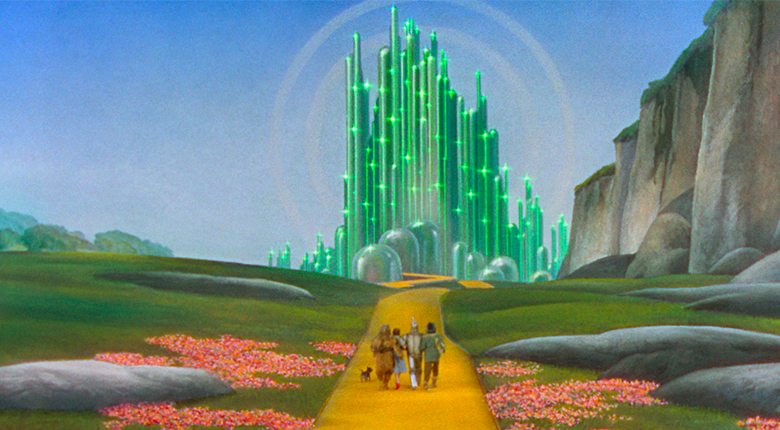
For The Wizard of Oz, the world we are introduced to is one of made of the most imaginative fantasy. The fantastical Emerald City and Yellow Brick Road we all know and love stems from The Wonderful Wizard of Oz book, by L. Frank Baum. Unlike Oz’s novel origins, Easter Parade is an original screenplay, inspired by the works of Irving Berlin, as all the film’s musical numbers are composed by the Hollywood genius.
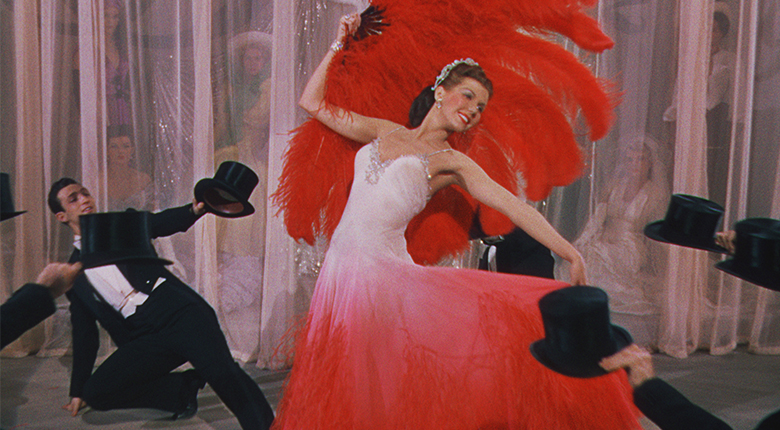
Both films may also feature such striking visuals from the technicolor cinematography shared between them; however, these titles put this technique to much different uses, with The Wizard of Oz shaping to its more fantasy adventure genre, unlike Easter Parade, which uses the vibrancy to lean into the splendour and theatricality of the showbusiness industry in this musical.
If you love these Old Hollywood classics as much as we do, check out our Hollywood Gold Collection; and if you want to see more of the talented Judy Garland, find more of her movies here.