Read
5 January, 2026
The Wizard of Oz: Why This Classic Still Matters
A pioneer of modern cinema and a cornerstone of classic Hollywood film, how has the fantastical classic remained so culturally influential and relevant today?
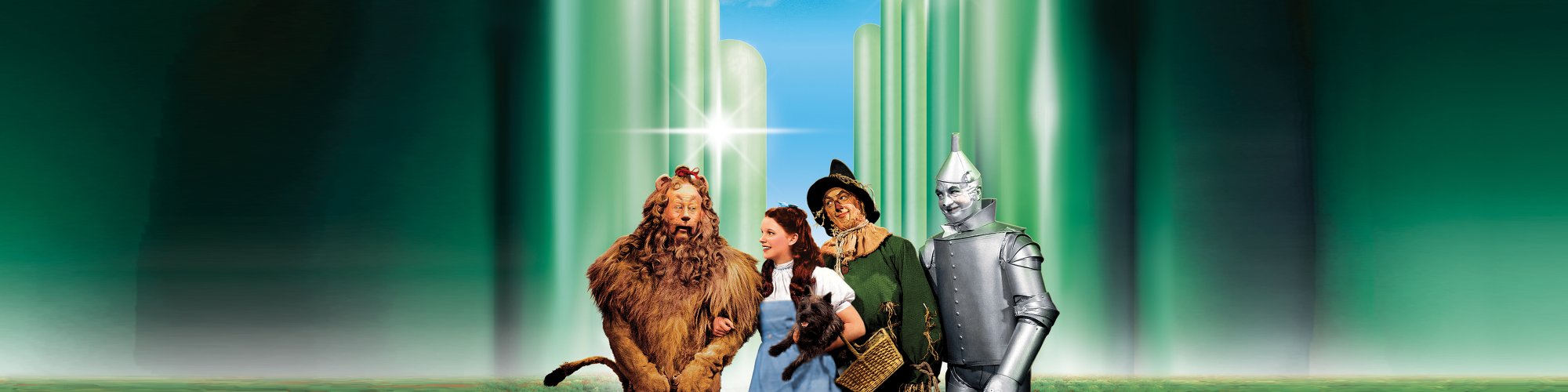
More than 85 years after it first travelled down the Yellow Brick Road, The Wizard of Oz - based on L. Frank Baum’s The Wonderful Wizard of Oz - remains one of cinema’s most beloved and influential films. It hasn’t simply survived the decades; it helped shape modern filmmaking and pop culture. From groundbreaking Technicolor visuals to unforgettable characters, the film turned fantasy into something magical, tangible… and timeless, securing The Wizard of Oz’s legacy as one of the most important movies ever made.
Here’s how that magic was crafted and why The Wizard of Oz still matters today.
From Sepia-Toned Kansas to a Vivid, Dreamlike Oz
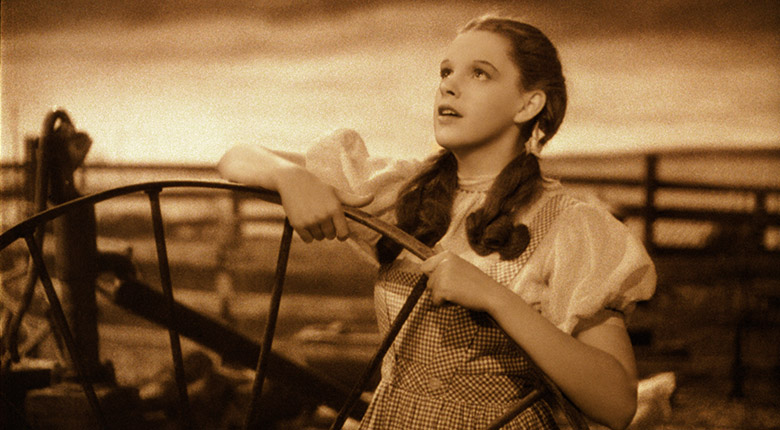
One of The Wizard of Oz’s most iconic moments is the shift from the drab, sepia-toned reality of Kansas to the dazzling, Technicolor fantasy of Oz - and that wasn’t just a gimmick. It was cinematic storytelling at its boldest.
The Kansas scenes were shot using a sepia-toned process (not plain black-and-white), creating a dusty, muted, monotonous atmosphere that underscored Dorothy’s longing for escape. For Oz, the film switched to three-strip Technicolor - a relatively new, expensive process at the time. This method recorded separate colour channels (red, green, blue) on different strips of film and combined them to produce the rich, saturated colour you see envelope the world of Oz from the yellow brick road to the dazzling Emerald City, and even the iconic ruby slippers.
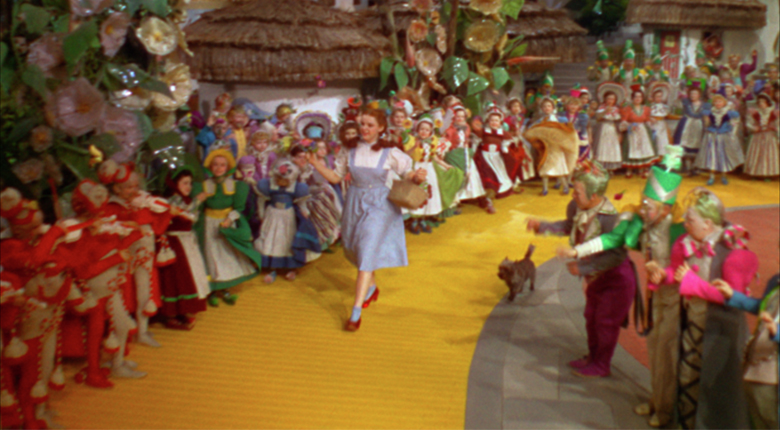
To capture this transition from sepia tints to bursting colours, when Dorothy opens the door into Munchkinland the filmmakers used a clever trick with practical effects: a body double in sepia-costume and sepia-painted set opened the door, then exited frame - at that moment the real Dorothy in her bright dress stepped in, and colour took over.
Deviating from the novel’s silver slippers, the film adopted the ruby slippers we all know and love today to take full advantage of the Technicolour advancements too. Becoming such a beloved piece of film memorabilia, one pair of the slippers sold at auction for $32.5 million (£25.35 million), the highest ever sold film prop. Another pair worn by Garland is located in Washington D.C at the Smithsonian National Museum of American History.
The film proved colour wasn’t just a novelty - it could be used as a storytelling device. That bold move changed the expectations for cinema, helping pave the way for fantasy, musicals, and colour filmmaking to dominate Hollywood.
Tornado, Smoke & Miniatures: Real Effects, Real Magic
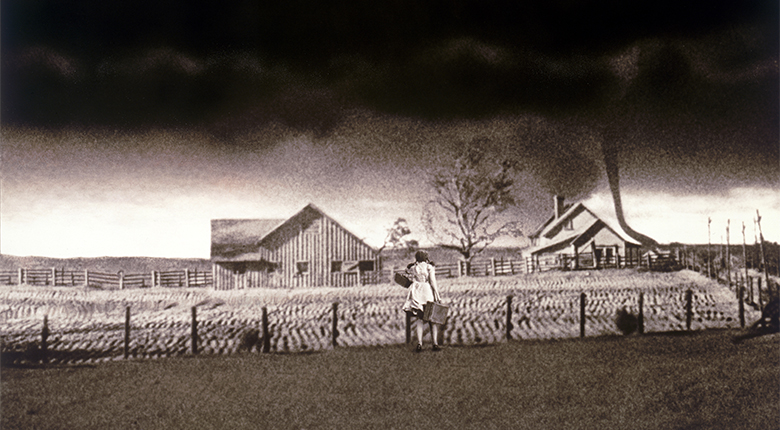
Long before CGI, Oz relied on ingenuity, craftsmanship and a healthy dose of danger to build its magic. The tornado sequence remains one of the most impressive practical-effects achievements of early Hollywood: the tornado was created using a 35-foot muslin “sock” - a flexible tube of cloth hung from a steel gantry. The bottom was attached to a rig that could move, and compressed air blew dust (Fuller’s Earth) from both top and bottom, creating swirling debris and a convincing storm. Miniature models of Dorothy’s house and surroundings sold the illusion of a tornado tearing through the Kansas plains.
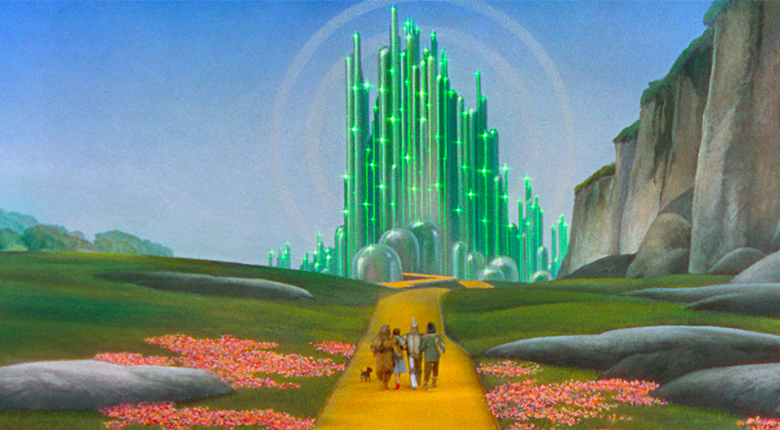
Other effects included matte paintings, miniatures, and creative stage work to bring flying monkeys, magical transformations, and surreal landscapes to life. The ambitious use of practical effects — rather than painted backdrops or simplistic tricks — gave the film a tangible sense of danger, motion, and magic, making Oz feel like a real place. It demonstrated filmmakers could make fantasy real. That belief pushed cinema toward more ambitious, imaginative stories, paving the way for future fantasy and sci-fi epics, with the use of miniature models of sets being used in the making of Inception, The Lord of the Rings Trilogy and the Harry Potter films. Filmmakers’ visions of grand-scale fictional words became reality thanks to the use of tiny models.
Judy Garland: A Star is Born
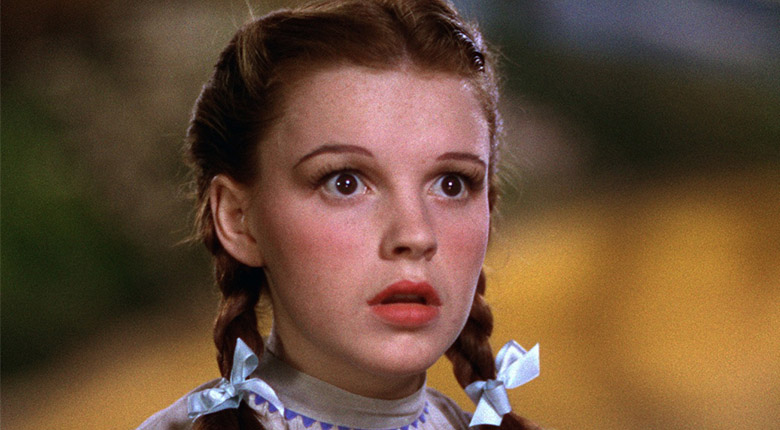
For the film’s leading lady Judy Garland, the young starlet’s career catapulted after her role as Dorothy. Although Garland has starred in other motion pictures prior to The Wizard of Oz, Dorothy became her breakout role, seeing her go onto star in Meet Me in St. Louis (1944), Easter Parade (1948) and A Star is Born (1954). Her musical talent was utilised to the fullest and her rendition of ‘Over the Rainbow’ won the Academy Award for Best Original Song at the 1940 Oscars, as well as Garland winning the Academy Juvenile Award primarily for her work in the film.
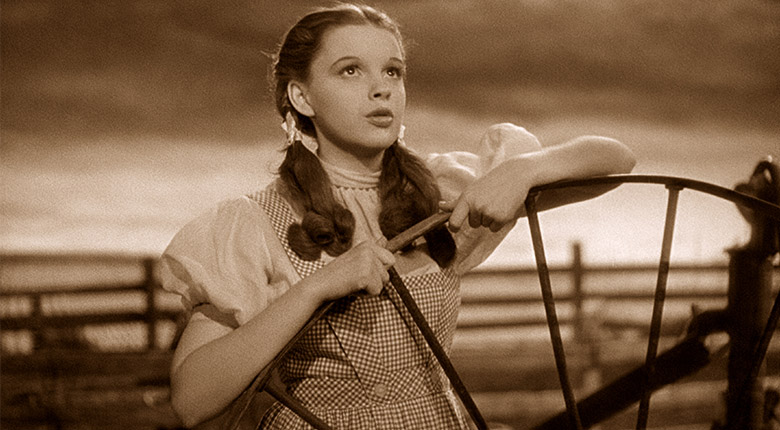
Garland’s role of Dorothy cemented her legacy as one of the most recognisable stars from the Golden Age of Hollywood, and in honour of her, The Wizard of Oz returned to cinemas for Garland’s 100th birthday in 2022, showing how Judy Garland will forever be the world’s Dorothy.
The Enduring Legacy: Inspiring Filmic, Theatrical and Cultural Moments
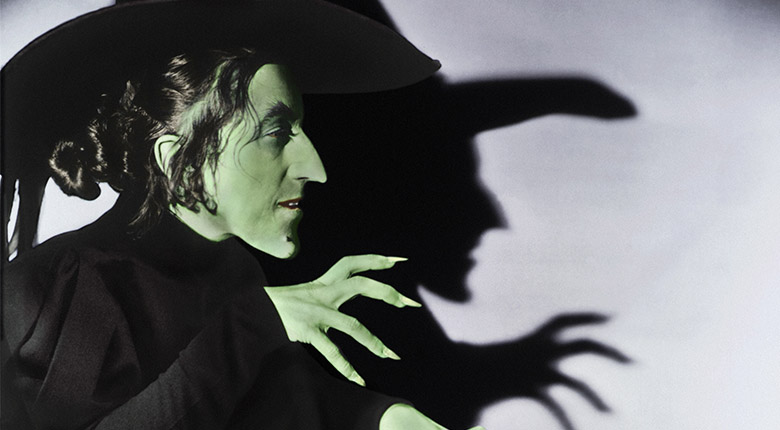
The magic of Oz didn’t end when the credits rolled in 1939. Over the decades, the original film has inspired many retellings, reimaginings, musicals, and homages. Here are some of the most notable:
Major Adaptations & Reimaginings
- The Wiz (1978) – Oz is reimagined in this cult classic through the lens of urban fantasy, with an all-Black cast including big names such as Diana Ross and Michael Jackson. A new take on Oz, re-contextualised in a contemporary, culturally rich way has introduced the story to a whole new audience, not to mention the perfect casting of Michael Jackson as the Scarecrow!
- Return to Oz (1985) - A darker, more surreal take on Oz, returning Dorothy to a twisted, uncanny version of the land. Its tone and visuals offered a very different but still powerful homage to the original’s world.
- Oz the Great and Powerful (2013) - A prequel of sorts, exploring the origins of the Wizard (played by James Franco) and the early days of Oz. While not a direct remake, it shows how filmmakers continue to draw on Oz’s mythology to re-imagine its universe for modern audiences.
- Wicked - Originally a 1995 novel, then a massively successful Broadway production, and now a major film adaptation (with Wicked: For Good arriving as its sequel). Wicked re-examines Oz from the point of view of the witches, showing how the original story could be expanded. It challenges and redefines the pre-conceived notions of good and evil between the two central witches whilst juggling the overarching themes of identity, power, and prejudice in Oz.
Cultural Echoes & References
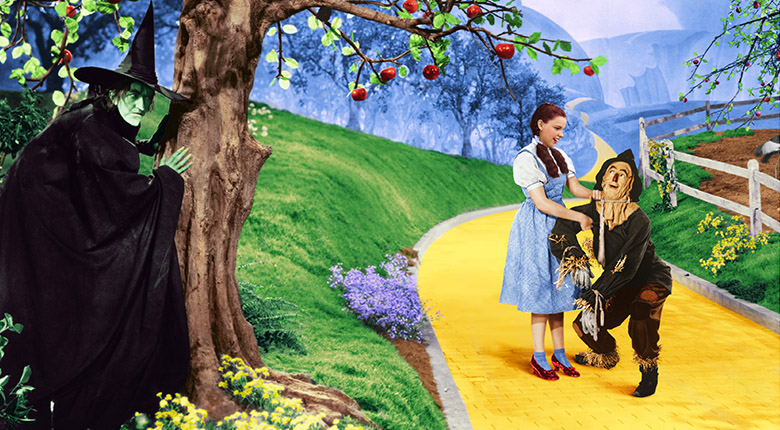
As one of the most referenced IPs in pop culture history, The Wizard of Oz is remembered for its iconic imagery, music and quotes. From the ruby slippers to the yellow brick road to the very idea of a journey home, Oz’s atmosphere shows up in homages, parodies, symbolic re-uses across media. Having even entered a musical ecosystem, ranging from Elton John’s 1973 album ‘Goodbye to Yellow Brick Road’ to Eminem’s (2004) ‘Yellow Brick Road’ rap, Oz’s iconography has achieved a pop culture ubiquitous status.
Part of everyday diction, phrases like “there’s no place like home”, “the man behind the curtain” and “we’re not in Kansas anymore” are all too common as made popular by the film. But one phrase in particular carries a certain historical significance within 20th century queer culture, as ‘a friend of Dorothy’ was popularised from the film as code for predominantly gay men discreetly expressing their part in the LGBTQ+ community. Dorothy had been adopted by the community as a symbol of hope and acceptance. The Wizard of Oz holds a special place in many people’s lives, symbolising timeless themes of identity and belonging that resonates across generations.
What This Legacy Means and Why Oz’s Influence Still Matters
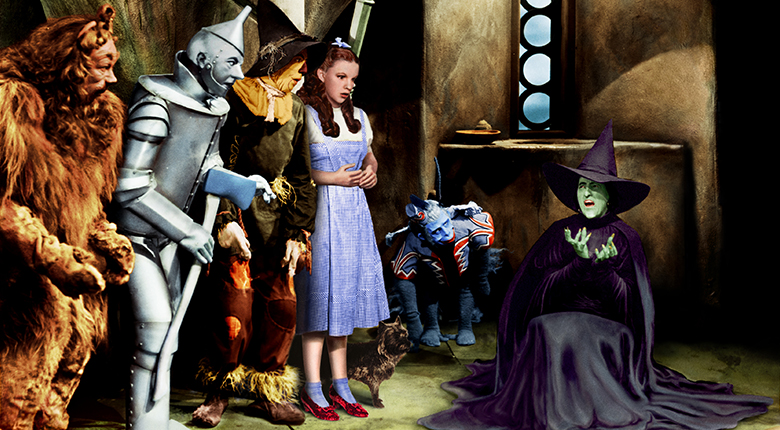
The magic that continues to inspire…
The diversity of works inspired by Oz from musicals, re-imaginings, prequels, dark retellings to animated reinterpretations shows how flexible and universal the core ideas of Oz are. The story is constantly evolving for new eras, new cultures, and new audiences. The fact that new adaptations continue to be made decades after the original speaks to Oz’s enduring relevance and emotional power. It reminds creators and audiences alike that magic, heart, and imagination are timeless.
A pop culture afterlife…
Oz helped establish a kind of cultural shorthand: ruby slippers, yellow-brick roads, tornadoes, flying monkeys; even just referencing “Not in Kansas anymore” evokes a world of fantasy and transformation. That shorthand has helped establish the film as one of the most recognisable in pop culture.
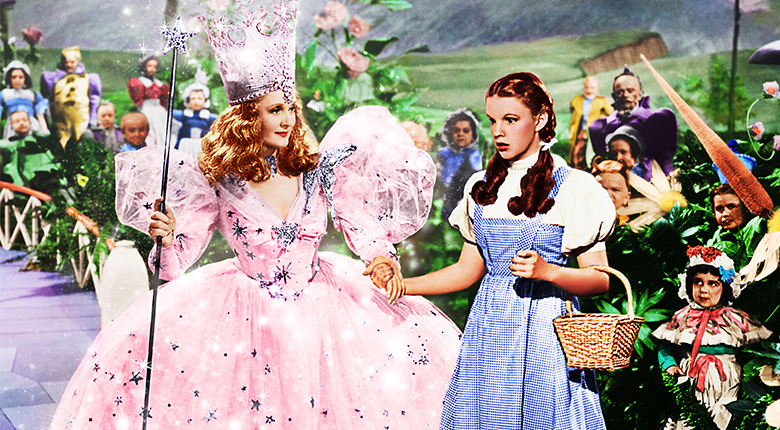
The cinematic impact…
As one of the most expensive movies made at that time, The Wizard of Oz certainly delivered an impact. It didn’t just tell a story: it shifted what storytelling in film could be. It showed through the technological advancements of Technicolor, the film showcased what the power of colour could do for film, introducing audiences to new, dazzling worlds like never before. The power of practical effects too served as the foundation for creating convincing spectacles in countless fantasy and adventure films for generations onwards. In a world where CGI and effects are often digital and instantaneous, The Wizard of Oz stands out as a reminder of what craftsmanship, vision and a little risk can create.
In short: emotionally, visually, thematically Oz helped redefine cinema and expanded what anyone imagined films could deliver.
Why The Wizard of Oz Still Matters Today…
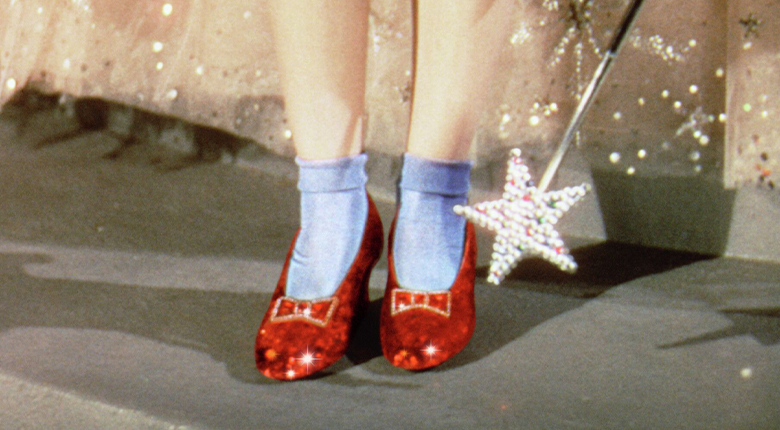
A living testament to cinematic storytelling, the film was one of the first 25 films selected by the US Library of Congress for preservation in the National Film Registry for being “culturally, historically, or aesthetically significant”, fully cementing its everlasting status.
If you want to revisit the magical world of lions and tigers and bears (oh my!) then watch The Wizard of Oz here.