Sinners: One Year On
From initial conception to multiple award wins, what went into making Sinners one of the standout films of 2025?

“You keep dancing with the devil, one day he’s gonna follow you home.”
It’s one year since the global phenomenon – and now Oscar-winning – Sinners released in cinemas. In celebration of the film’s success, we’re taking a look back at how it was made and the huge impact it’s already had on the film industry.
The Origin of Sinners
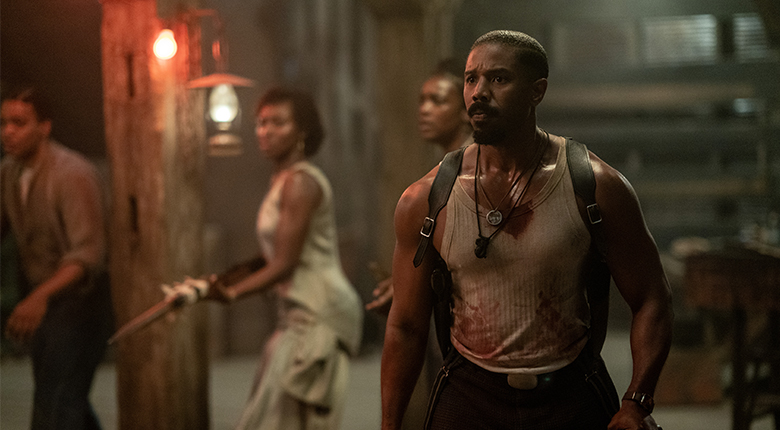
Sinners started from Writer and Director Ryan Coogler’s relationships with his grandfather and his Uncle James, both of whom lived in Mississippi, where the story takes place. Although Coogler never met his grandfather, he was close to his uncle and deeply influenced by Uncle James’ connection to the blues. Coogler recalls “he was from another time in Mississippi, and he wouldn’t really talk about it unless he was listening to the blues and he’d had a little sip of Old Taylor whiskey. Then, he’d reminisce”. Sadly, Uncle James passed away while Ryan was in post-production of Creed. This grief became a catalyst for Coogler to create Sinners, an original story that reimagines the 1930s Mississippi his family knew, celebrating music and cultural memory, with an added vampiric twist.
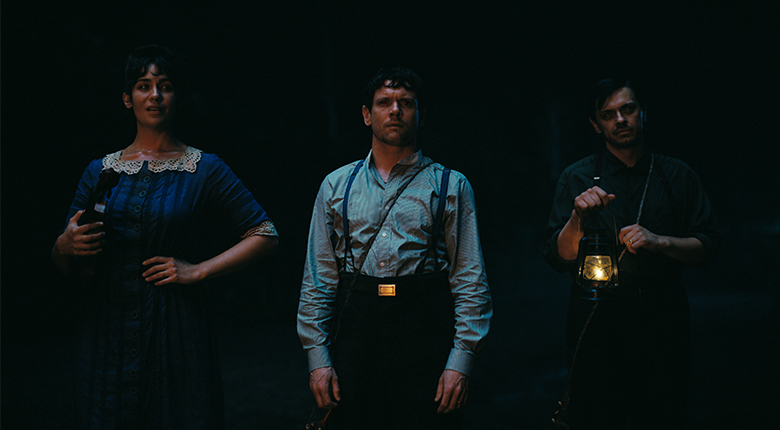
The vampiric element serves a more metaphorical role, symbolic of the violent histories, exploitation and oppression faced by Black communities in the American South. Simultaneously, Coogler wanted to connect this supernatural theme to the blues in the film to articulate the otherworldly power that music possesses.
Shooting Sinners
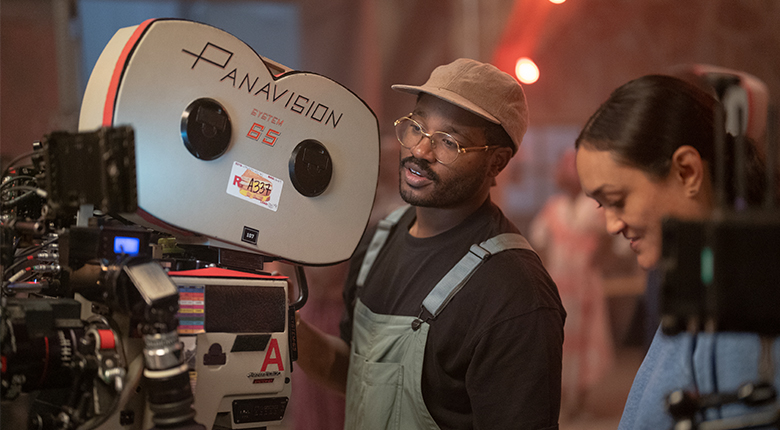
Sinners was shot in large format on both IMAX and Ultra Panavision 65mm film to create an incredibly immersive experience, utilising the incredibly rare widescreen 2.76:1 aspect ratio for an epic scope which then expands into the IMAX world of 1.43:1 during moments of heightened emotionality so that you can look into the soul of the characters. The pivotal scene where those inside the juke joint prepare to face the threat outside does exactly that – starting with the wide 2.76:1 ratio it expands into the taller IMAX format that makes for a truly unforgettable cinematic experience. Crucially for Coogler, Sinners needed to provide “this world that my grandparents were a part of”, adding “people want to experience something they can fall into—and IMAX was a key to creating that world”.
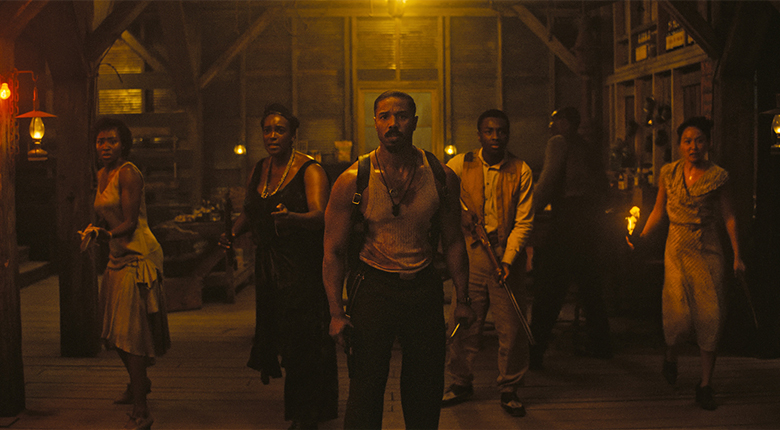
The movie’s juke joint scene, featuring a performance of the original song “I Lied To You,” includes the longest-ever shot filmed in IMAX – a ground-breaking technical feat made possible by Coogler’s vision and the film’s cinematographer, Autumn Durald Arkapow.
The Women of Sinners
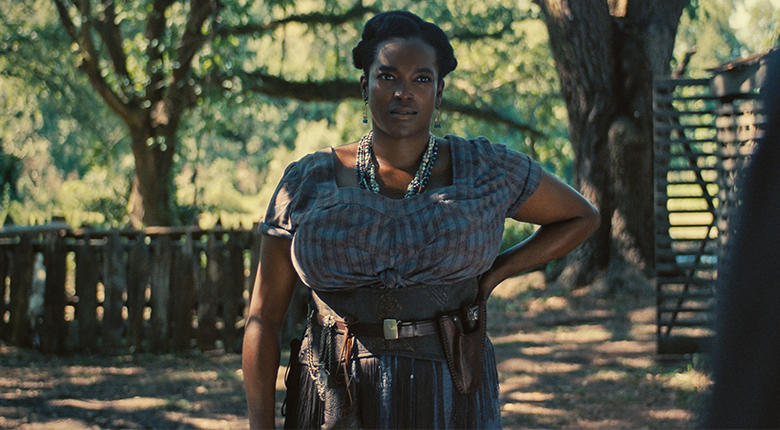
Sinners is a period drama that showcases the work and achievements of several trailblazing women, on and off the screen. From cinematographer Autumn Durald Arkapaw (who picked up the Academy Award for Best Cinematography for Sinners, the first woman to ever win the award) to double Oscar-winning costume designer Ruth Carter and Oscar-winning production designer Hannah Beachler.
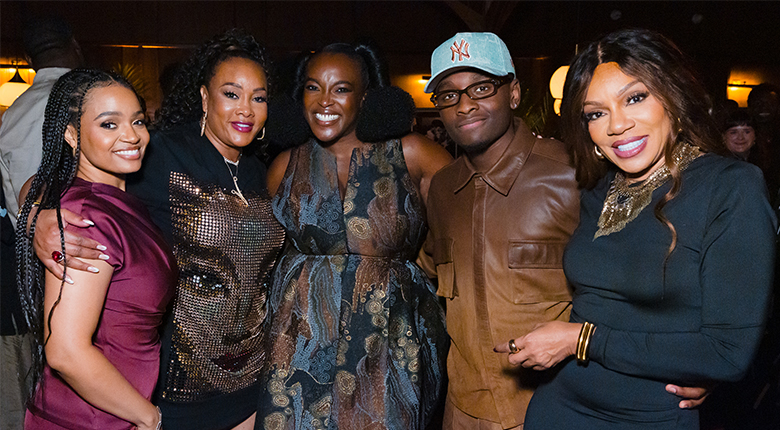
As for our on-screen stars, Wunmi Mosaku (Annie) and Hailee Steinfeld (Mary) both shone in their roles as the other halves to Michael B. Jordan’s twins, Smoke and Stack.
Oscar-nominated and BAFTA-winning Best Supporting Actress for her role in Sinners, Mosaku captured the hearts of critics and audiences alike as Annie. Wunmi felt a deep, personal connection to her character Annie, “I learned so much from Annie. She changed me so profoundly on a vibrational level. I feel like where we’re very similar is both of us are mothers. I think before I had my child, I don’t know if I would have completely understood her all-encompassing love and her understanding of Smoke”.
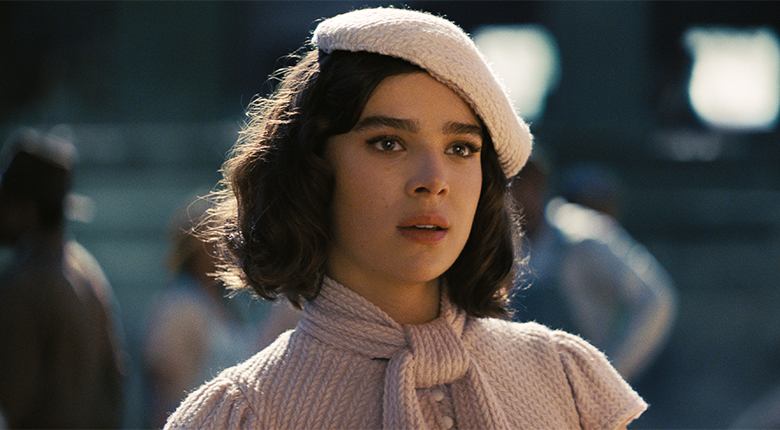
Steinfeld too speaks on her role: “Mary has this fierce confidence and power that she knows is there, but she’s also simultaneously discovering it in real time and using it in a way that is so smart.” Steinfeld enjoyed playing a part that felt very mature and adult, stating she’d “waited a long time to be this moved by a role”.
Sinners on Site
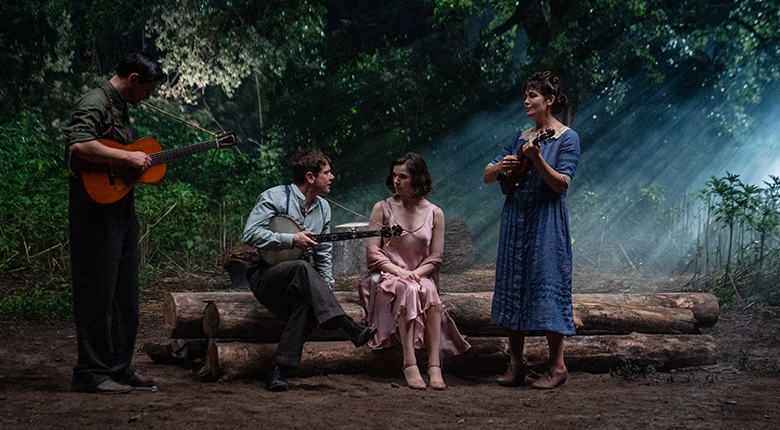
So where was Sinners filmed? The location for the central juke joint was found on a former golf course in the city of Braithwaite, Louisiana, located in St. Bernard Parish. Once a luxury destination, the course was destroyed by flooding during hurricane Katrina and had become uninhabitable with overgrown foliage… not to mention being infested with alligators. But the team saw potential and transformed the harsh vista into a space where the construction team built the juke joint. Again in St. Bernad Parish laid the old plantation used for Annie’s house, where a ‘canopy of oaks’ style set was desired by Coogler.
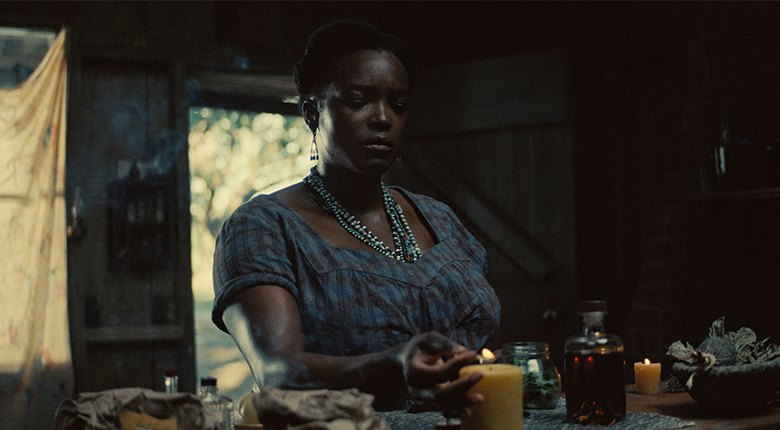
The Mississippi set was built in Louisiana from scratch using Coogler’s historic photo references for inspiration. The construction crew had never been sent such a library of creative references before to help create the space, and Coogler’s vision truly came to life.
Smoke & Stack
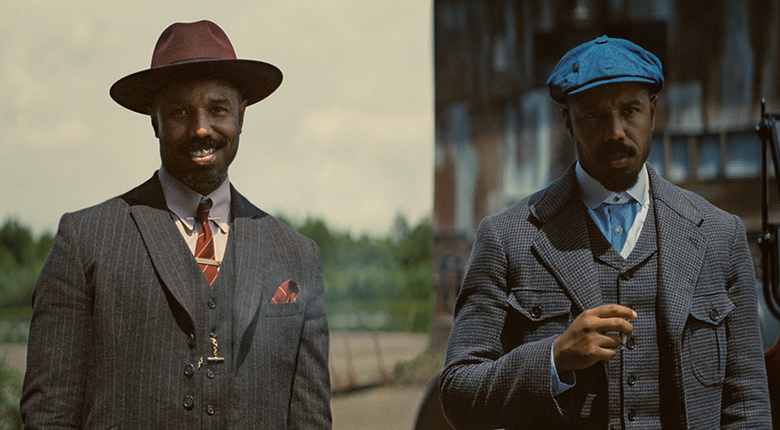
Michael B. Jordan refers to Sinners as the most challenging film of his career, and also the one he’s most proud of. To embody his career-defining dual performance of Stack and Smoke took a lot of effort; but how did they shoot the twins’ scenes?
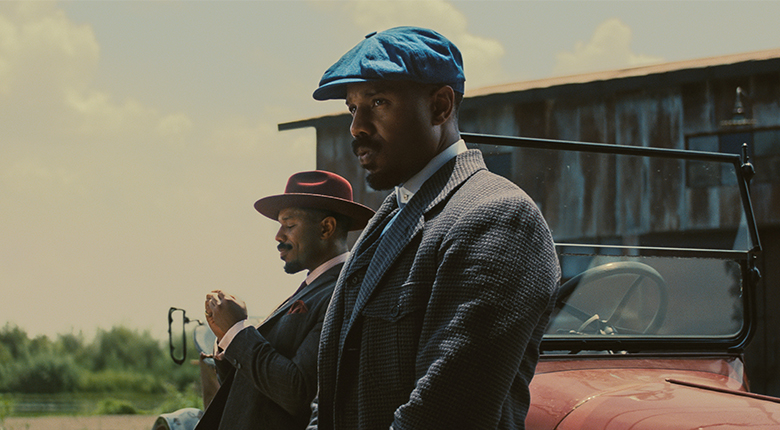
What began as a sketch on a napkin, transformed into a prototype, with 10 cameras situated around a ring positioned on the shoulders of Jordan… dubbed the Halo Rig. “I remember the moment Michael showed up on set wearing it, with red lights blinking all over. It was like Robocop showing up in the police station for the first time,” visual effects supervisor Michael Ralla joked.
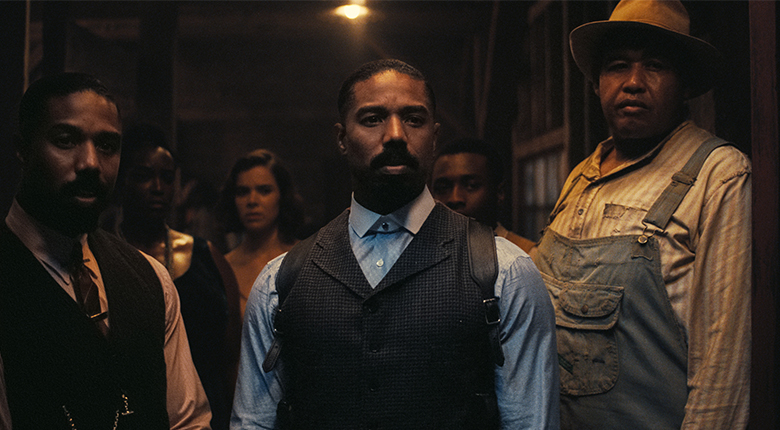
To help differentiate the twins, Jordan made sure they moved differently from each other, explaining “they both stood differently, they walked a little bit differently—they held their trauma in different places”. He took intimate care in exploring these characters’ backstories, stating “what happened before page one of the script is always super important.”
Jordan did every scene four or five times, often with only 30 minutes to turn over wardrobe, hair, makeup, and ground himself into the mindset and physicality of the new character. Costume designer Ruth. E Carter shares, “I’ve dressed Michael as Killmonger (in Black Panther), and now I’ve dressed him as Smoke and Stack, and both times, he was very thoughtful about his character, very much wanting to know my ideas and how the story would play out with the costumes.”
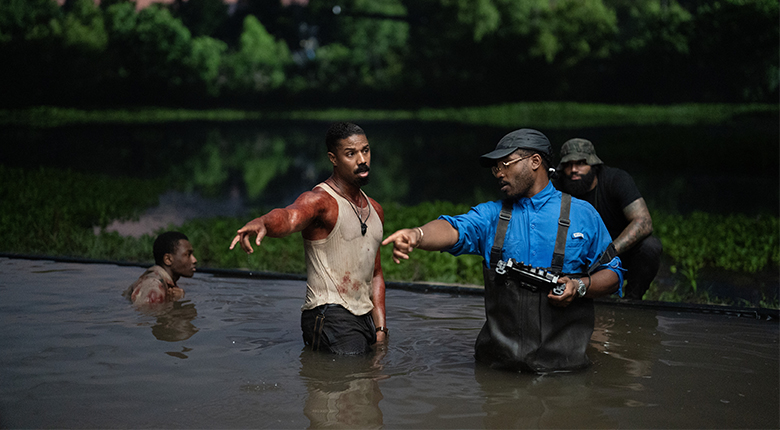
Jordan expressed excitement working with director Ryan Coogler again, who when they first met told him, “Mike, I think you’re a movie star”, and since, Coogler unsurprisingly has likened Michael to family, given their frequent filmic collaborations.
Sammie Moore
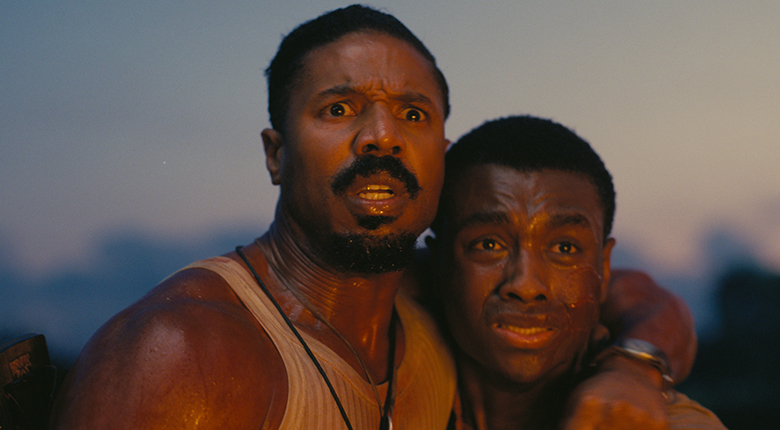
Who is the Sinners breakout star, Miles Caton?
Miles Caton plays Samuel “Sammie” Moore in Sinners. Coogler was keen to cast actual musicians in the film, 19-year-old Caton who grew up singing in church was offered the role, when H.E.R (who Caton was singing backup for on Coldplay’s world tour) recommended he audition for Sammie. Nominated for the BAFTA Rising Star Award, his first film role has deservedly thrust Caton into the limelight, a worthy recognition after pouring his heart and soul into performing “I lied To You”, not to mention Caton’s dedication behind learning how to play the blues guitar in under two months.
That Sinners Sound
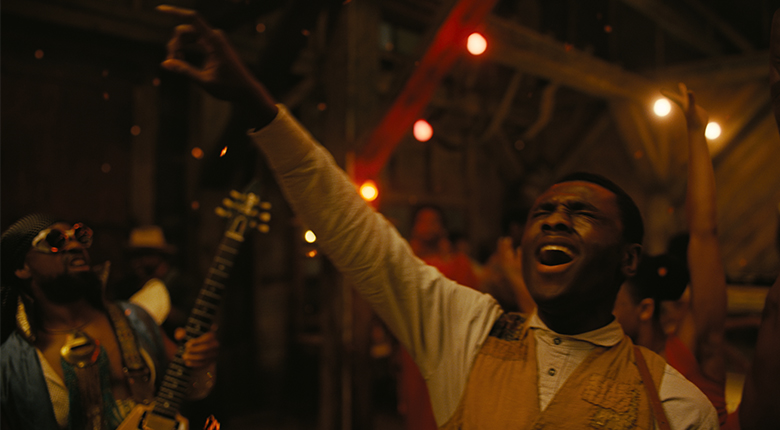
Three-time Academy award-winner Ludwig Göransson is one of the biggest composers working in movies today. He’s been a frequent collaborator of Coogler’s since they met at university, and he’s behind for the sound of Sinners.
Known for building epic scores for titles like Tenet and the Creed films, Göransson brings a similar cinematic soundtrack to Sinners.
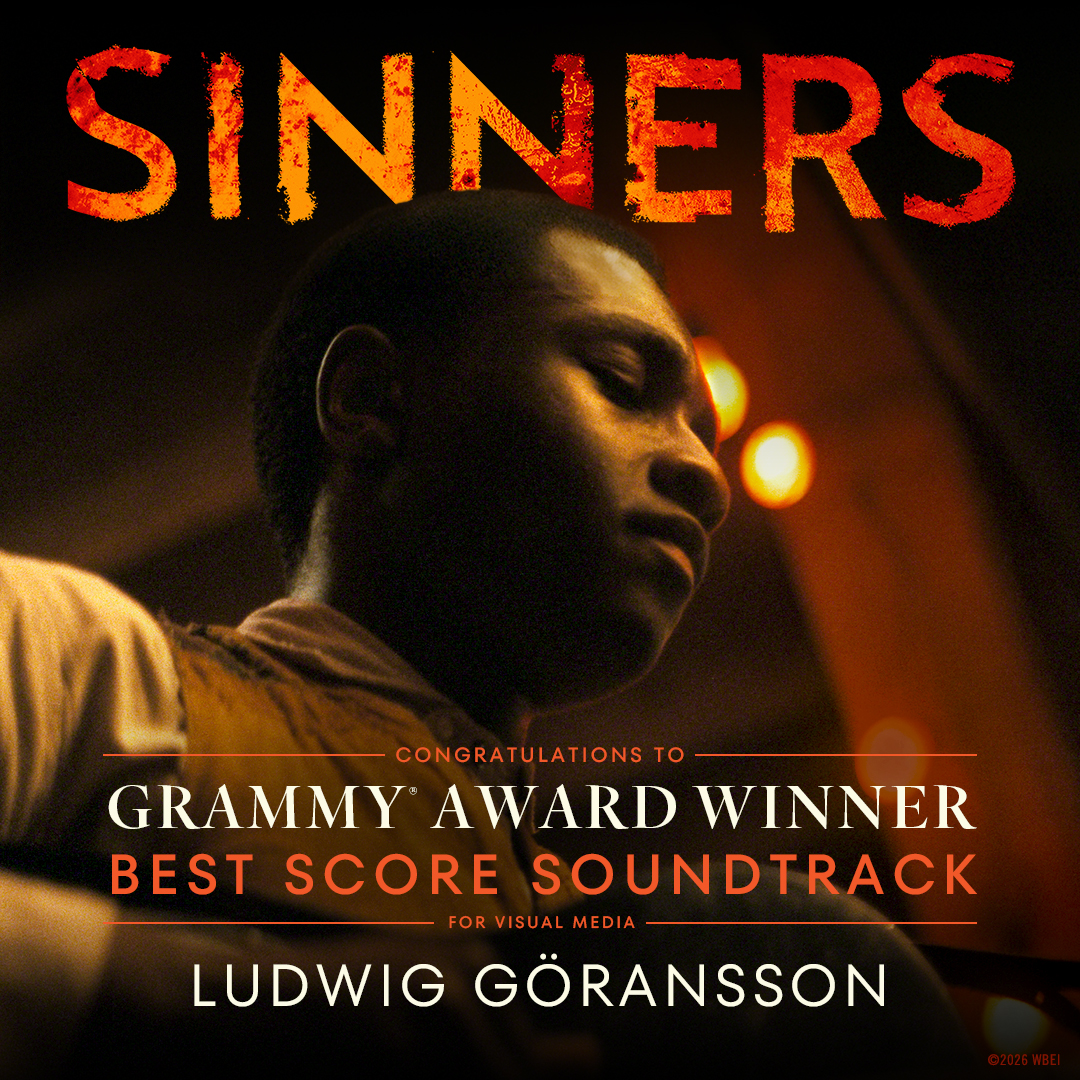
This is the fifth feature film Coogler and Göransson have worked on together, and it’s clear a partnership that goes from strength to strength. For Coogler, his projects start with the music, explaining “Ludwig gets a script very early… usually before a picture is rolling, I get some music.” Music is the heart and foundation of Coogler’s projects, and to find the authentic sound of the 1930s blues, he and Göransson toured Mississippi Blues museums.
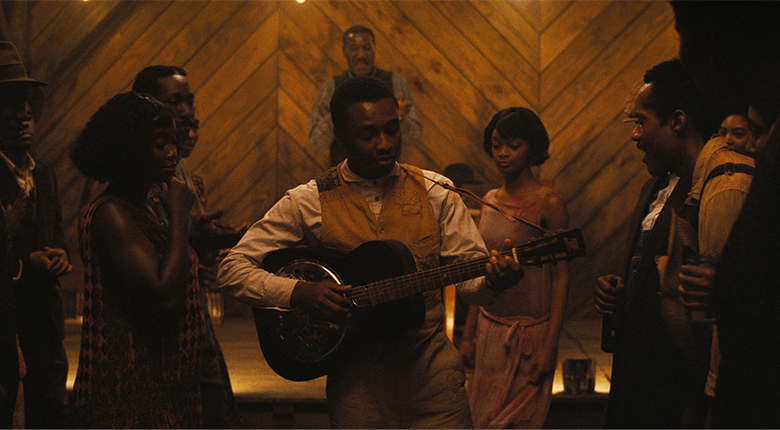
Believing music is arguably the most accessible art form, Coogler reflects, “music is everything. It was my first introduction to art. Not everybody can go to the Louvre and look at the Mona Lisa.” And Sinners’ Mona Lisa is arguably ‘I Lied to You’ by Miles Caton.
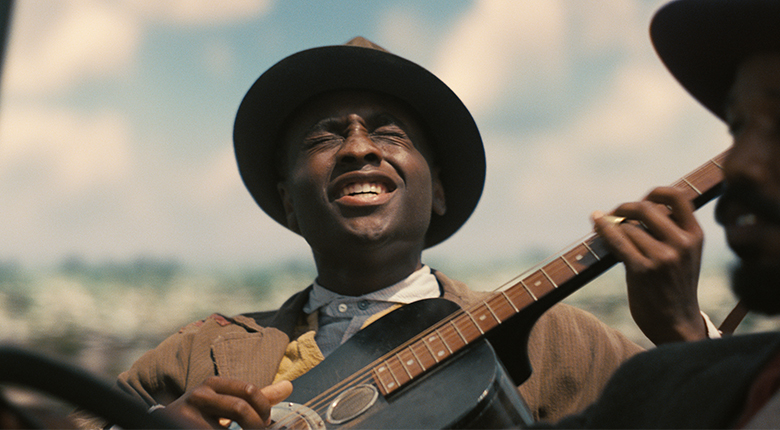
The song “I Lied To You” is an artistic collaboration that paid tribute to the rich musical and cultural traditions that shaped the blues, honouring both its roots and evolution. Ludwig Göransson praises Miles Caton as a “musical genius… you could see how easy everything came to him, like his vocals and learning to play the slide blues guitar… in just months!” The guitar used by Caton was an authentic, early 1930s Dobro Cyclops, which you can also hear in the score played by Ludwig Göransson (and interestingly belongs to the composer!).
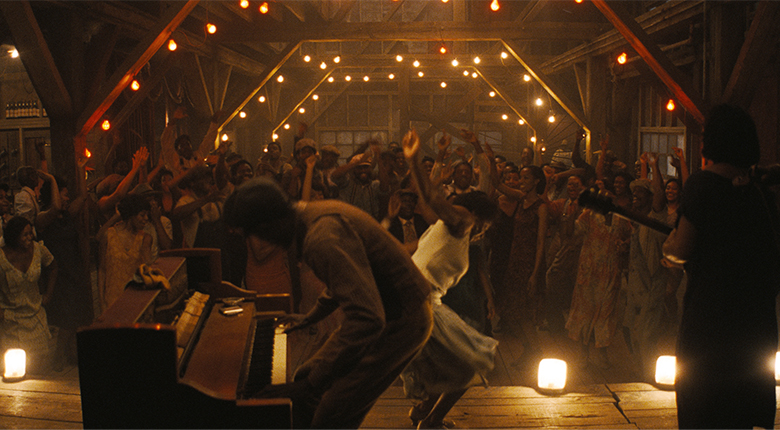
The Oscar-nominated song (even performed at the 98th Academy Awards ceremony) has gained 24.9 million streams on Spotify, with U.S. streams for the song surging by 445% immediately following the spiritual performance.
A Sinner Success

Sinners was both a Box Office success and critically acclaimed across the board, reaching over $370 million worldwide during its theatrical release.

Sinners has made Oscar history too, garnering 16 record-breaking nominations for the Academy Awards, a feat held by former cinematic giants such as Titanic and La La Land. For Michael B. Jordan, it was a historic night as he won his first ever Oscar for Best Actor (or should it be actors for Stack and Smoke?)
Defining Sinners
A groundbreaking entry in cinematic history, blending genres and making waves, the film, at its core, is a deeply emotional take on the thought-provoking realities of Black culture, identity, brotherhood, family and community. Coogler classifies the film as “a love letter from me to cinema and to moviegoing”. Producer Sev Ohanian adds, “Sinners is generally the first time audiences see (a) wholly 100% original Ryan Coogler-creative-DNA on the screen” – and what a treat it has been.
If you love Sinners, watch again here.